
Lead costs are up, attention is fragmented, and many agents are spending more time marketing without getting a predictable return. That pressure hits solo agents the hardest. Every hour spent chasing the wrong tactic is an hour you are not prospecting, following up, or closing.
Real estate lead generation works better as a system than a series of disconnected campaigns. Agents who create steady inbound business usually use several channels at once, then repeat the few that match their market, budget, and capacity. Social content builds familiarity. Email keeps relationships warm. Search, referrals, events, and paid campaigns fill in the gaps.
The problem is rarely a lack of ideas. It is execution. Agents know they should post, follow up, stay visible, and keep their database active. What breaks down is consistency once listings, showings, negotiations, and closings take over the week.
That is the gap this guide is built to close.
These 10 strategies are organized like a working playbook for solo agents and small teams. Each section covers how to implement the tactic, what kind of time or budget it usually takes, where agents waste effort, and who should prioritize it first. If social is one of the areas you need to tighten up, this guide on social media for real estate agents pairs well with the system outlined here.
You will also see the trade-off behind each option. Some tactics are cheaper but slower. Some produce faster leads but require more budget, tighter follow-up, or stronger creative. And if you know what should be done but do not have the time to do it yourself, Restate Social can help close the gap between strategy and consistent execution.
Table of Contents
- 1. Social Media Content Marketing and Consistent Posting
- 2. Email Marketing and Newsletter Campaigns
- 3. Lead Magnets and Landing Pages
- 4. Video Marketing and Listing Tours
- 5. Paid Social Media Advertising
- 6. SEO and Content Marketing
- 7. Referral Programs and Strategic Partnerships
- 8. Direct Mail and Postcards
- 9. Sphere of Influence Cultivation and Consistent Touch Points
- 10. Open Houses and Showings as Lead Generation Events
- Real Estate Lead Generation, 10-Strategy Comparison
- Your Next Move Turn Strategy Into Action
1. Social Media Content Marketing and Consistent Posting
In a 2023 technology survey of U.S. real estate professionals, 52% of agents identified social media as a key lead-generation channel, and 54% said it delivered their highest-quality leads. That lines up with what many agents already feel in practice. Social media isn't just a branding tool anymore. It's where prospects evaluate whether you know your market, communicate clearly, and feel trustworthy.
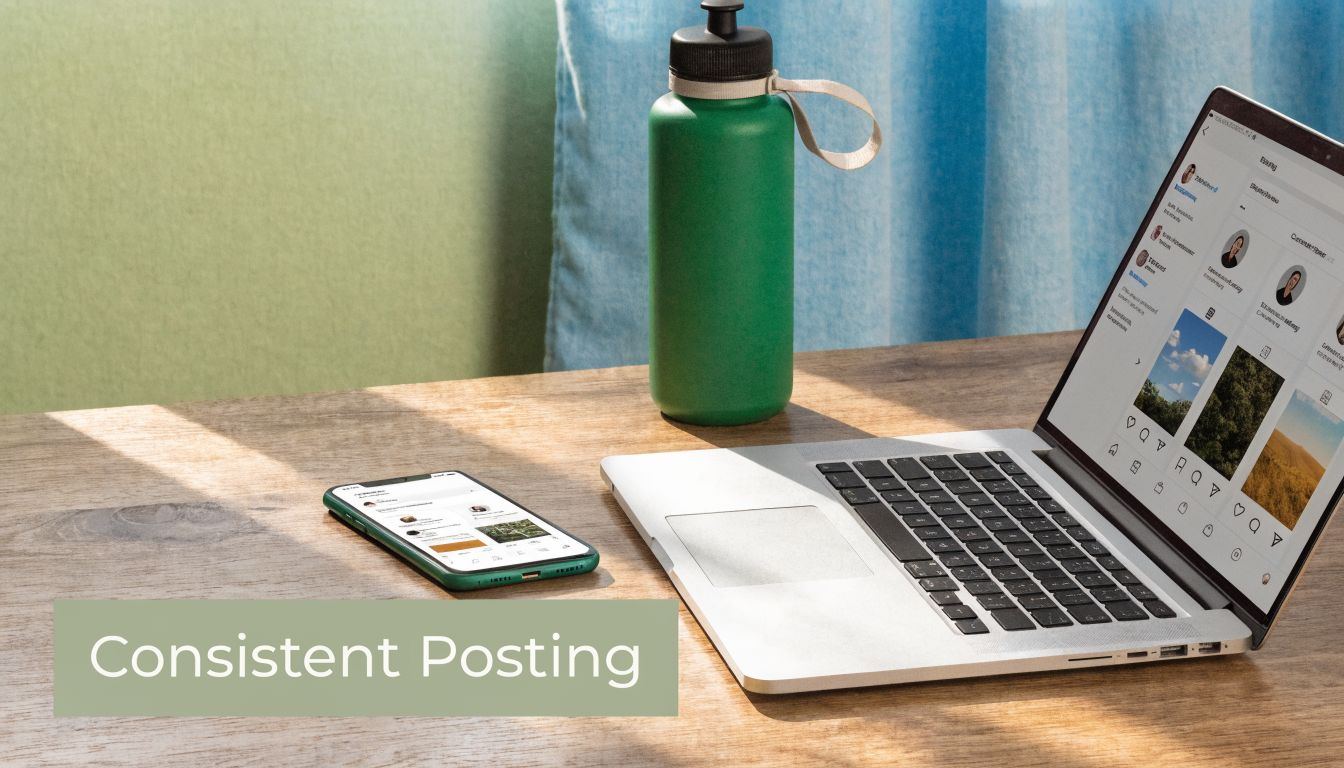
Agents usually struggle here for one reason. They post when they have a listing, disappear when life gets busy, then wonder why nothing compounds. Consistency matters more than trying to go viral.
What to post if you're short on time
A solo agent doesn't need to publish everywhere. Pick one primary platform and one secondary platform. For most residential agents, that means Instagram or Facebook first, then LinkedIn if referrals from local professionals matter in your market.
- Market insight posts: Share local pricing shifts, neighborhood changes, or buyer behavior you're seeing on the ground.
- Proof-of-work posts: Use listing prep, behind-the-scenes showings, contract-to-close moments, and client wins.
- Decision-help posts: Answer practical questions sellers and buyers ask you every week.
- Local authority posts: Spotlight schools, businesses, events, and community changes that matter to movers.
Practical rule: If a post doesn't help someone buy, sell, or trust you more, it probably doesn't need to go up.
Mini-playbook for implementation
Batch one week of content in a single sitting. Write captions, choose visuals, and schedule the posts ahead of time. Then protect a small daily window for replies, DMs, and comments.
A simple setup looks like this:
- Time investment: One weekly batching session and short daily engagement windows.
- Tools to use: Canva, Meta Business Suite, Later, Buffer, or templates from social media for real estate agents.
- Best first move: Build recurring content pillars so you're never starting from a blank page.
What doesn't work is treating social media like a flyer rack. Listing after listing with no context gets ignored. The agents who win here teach, narrate, and invite conversation.
2. Email Marketing and Newsletter Campaigns
Email keeps working for a simple reason. You own the list, the timing, and the follow-up.
For solo agents, that control matters. Social reach swings. Ad costs change. A well-run email list gives you a direct line to past clients, active prospects, and people who are interested but not ready yet. That is how agents stay visible between transactions instead of restarting from zero every month.
Strong email marketing is less about writing clever copy and more about sending the right message to the right group at the right stage. A first-time buyer lead should not get the same email as a past seller who closed 18 months ago. The agents who get replies build simple segments early, then reuse the same few themes with better targeting.
What strong email marketing looks like
A useful real estate newsletter earns attention because it helps people make decisions. Local price movement. A short explanation of what buyers are negotiating right now. A seller tip that prevents wasted prep costs. A homeowner reminder tied to the season.
Keep the structure simple:
- Past clients: Home care tips, market check-ins, referral reminders, anniversary touches
- Active buyers: New inventory, financing shifts, touring advice, next-step prompts
- Active sellers: Prep guidance, pricing context, showing feedback patterns, timing advice
- Long-term nurture leads: Local updates, educational content, low-pressure invitations to talk
Small list? Start with just four segments. That is enough to make your emails feel relevant without turning your CRM into a maintenance project.
Agents rarely struggle with email ideas. They struggle with consistency once closings, showings, and weekend appointments take over the calendar.
Mini-playbook for implementation
Start with two sends per month. One should be market or education focused. One should be relationship focused, with a local story, homeowner tip, or client question you answer every week.
Then build three automations that save the most time:
- New lead sequence: Welcome email, short local resource, clear call to reply with their timeline
- Past client nurture: Quarterly market update, home maintenance reminders, referral check-in
- Behavior-based follow-up: Responses to valuation requests, listing inquiries, or repeated clicks on the same topic
Resource estimate for a solo agent is reasonable if the system is templated first. Plan one setup session to write the core emails, then one hour a month to update and schedule them. If your lead capture is weak, pair email with a focused real estate landing page strategy so new contacts enter the right sequence from day one.
If you want help executing without building everything yourself, email marketing for real estate can give you the templates, cadence, and structure that busy agents often fail to maintain on their own.
What fails here is easy to spot. Random blasts. Generic market recaps. Long gaps followed by a "just checking in" email when business slows down. Consistency beats volume, and relevance beats polish.
3. Lead Magnets and Landing Pages
Lead magnets are how you turn passive attention into contact information. Someone may like your content for months without reaching out. Offer the right resource at the right moment, and they raise their hand.
This approach works especially well when the offer solves a narrow problem. A first-time buyer guide, downsizing checklist, local relocation guide, or home valuation page all speak to different types of intent. The mistake agents make is creating broad resources that sound helpful but don't address a pressing decision.
What makes a lead magnet worth downloading
People trade their email for clarity, not fluff. Your resource should answer a question they already have. A seller wants to know how to prepare a home without wasting money. A buyer wants to understand the process before talking to a lender. An absentee owner may want to know what local rental demand looks like.
The landing page needs the same discipline. One clear offer. One short form. One action.
- Keep the headline direct: Promise a practical outcome, not a vague benefit.
- Ask for minimal information: Name, email, and one useful qualifier is usually enough.
- Match the follow-up: If someone downloads a seller guide, the next emails should continue that conversation.
Mini-playbook for implementation
Build one magnet for buyers and one for sellers before creating anything else. That gives you enough coverage to support social posts, email campaigns, open house follow-up, and ads.
A lean workflow looks like this:
- Week one: Choose topic and write the content
- Week two: Build the page and thank-you sequence
- Week three: Promote it on social and in email
- Week four: Review which traffic sources produced actual conversations
A dedicated page matters because website visitors get distracted fast. If you need a cleaner conversion path, a focused real estate landing page setup makes it easier to capture interest instead of leaking it.
What doesn't work is sending paid or organic traffic to a busy homepage and hoping people hunt for the offer themselves.
4. Video Marketing and Listing Tours
Video shortens the trust-building process. Prospects can hear how you explain things, see how you present homes, and get a sense of whether you'd be easy to work with. That's especially valuable for relocation buyers, cautious sellers, and people comparing multiple agents online.
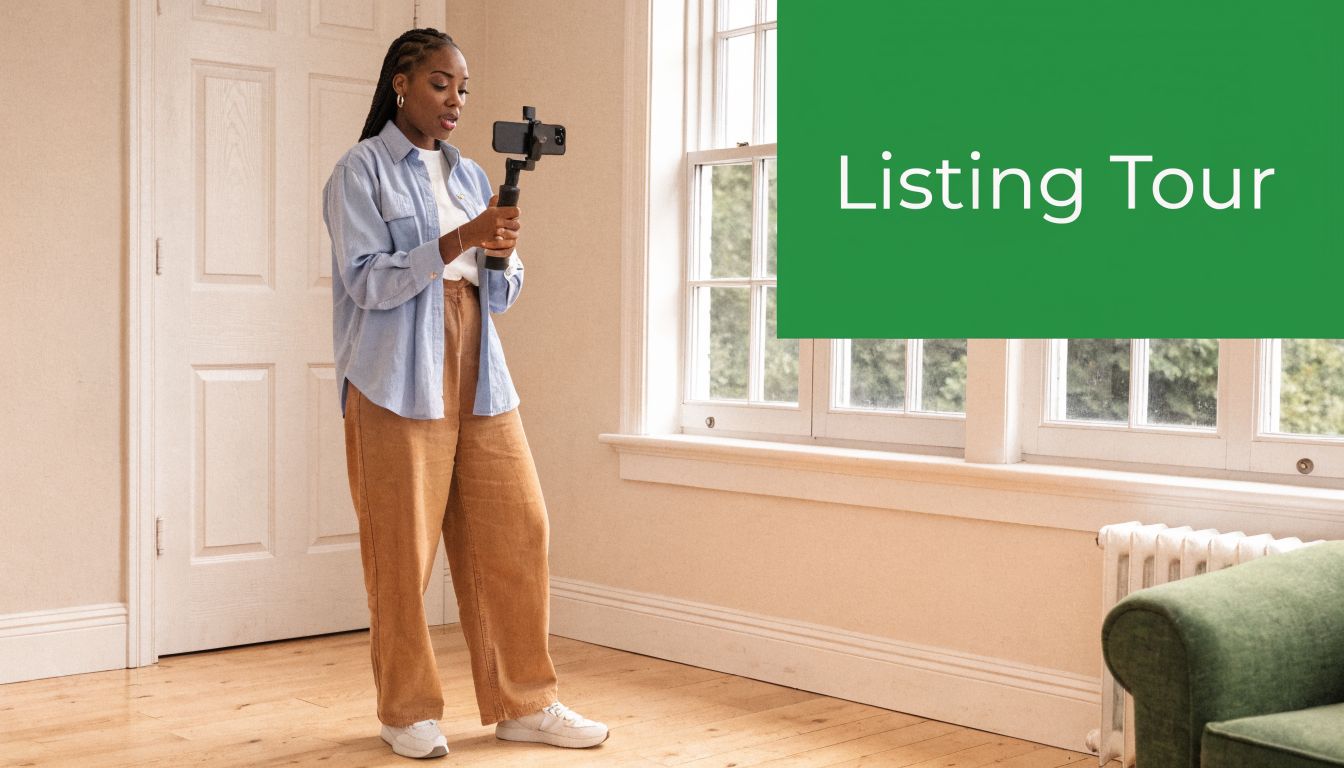
The strongest agents don't use video only for luxury listings. They use it for neighborhood breakdowns, seller prep advice, financing FAQs, open house promotion, and objection handling. One property tour may get attention, but a pattern of useful video builds authority.
What to film first
If you're new to video, don't start with polished long-form production. Start with repeatable formats you can shoot on a phone without overthinking it.
- Quick listing walk-throughs: Focus on flow, features, and who the home fits best.
- Neighborhood clips: Explain what makes an area appealing or who tends to buy there.
- Local market updates: Keep them brief and practical.
- Common client questions: Turn repeated conversations into content.
Modern lead generation has also shifted toward AI-assisted follow-up and always-on communication. In 2025, agents are using predictive analytics, CRM segmentation, and AI tools that automate follow-up across email, text, and voicemail while chatbots support website visitors around the clock. Video works even better when those systems are ready to catch and nurture interest after someone watches.
A simple phone video published consistently will usually outperform the "perfect" video that's still sitting in your camera roll.
Use one shoot many ways
One afternoon of filming can feed your marketing for weeks. A listing tour becomes a Reel, a Stories sequence, a YouTube upload, a follow-up text to buyer leads, and a clip for your email newsletter.
Here's a useful example format to study and adapt:
What doesn't work is making every video about you. The best performing real estate lead generation strategies in video focus on the viewer's problem, decision, or curiosity.
5. Paid Social Media Advertising
Agents who make paid social work usually treat it like a system, not a boost button. Ads can produce leads quickly. They can also drain budget just as quickly when the offer, audience, and follow-up are loose.
Paid social earns its keep when three pieces are already clear: who the ad is for, what action you want, and what happens after the click. A home valuation offer for likely sellers, a neighborhood guide for relocation buyers, or a retargeting campaign for past website visitors usually performs better than a broad ad asking who wants to buy or sell.
Solo agents should keep the setup tight. One offer. One audience. One landing page. That gives you cleaner feedback and a lower tuition bill while you learn.
A simple paid social playbook
Start with this structure:
- Core offer: Choose one lead offer with clear intent, such as a valuation request or local buyer guide.
- Primary audience: Pick one audience segment, such as homeowners in a target ZIP code or people who visited a listing page.
- Retargeting layer: Run a second ad to people who clicked, watched, or visited but did not convert.
- Response workflow: Send the lead into your CRM with an immediate text, email, and task assignment.
Budget discipline matters here. Spreading $300 across five weak campaigns teaches you almost nothing. Putting the same budget behind one solid offer gives you a better chance to see what message, image, and audience are producing inquiries.
Resource estimate and reality check
Plan on more than ad spend. You need creative that stops the scroll, a landing page that matches the ad, and follow-up that starts fast. If one of those pieces is missing, fix that first.
Fast response still matters. As noted earlier in the article, delayed follow-up wastes good leads, especially with paid traffic where intent fades quickly. A slow callback and a generic script can turn a promising click into a dead contact by the end of the day.
For a solo agent, a realistic starter setup looks like this:
- Time: 3 to 5 hours to build the first campaign and landing page
- Budget: enough to test one offer for at least 2 weeks
- Tools: ad account, simple landing page, CRM, and basic automation
- Priority: medium to high, but only after your messaging and follow-up process are stable
If you know what should run but do not have time to build the ads, creative, and follow-up logic yourself, this is the gap a done-for-you service like Restate Social can help close. The strategy still needs to be yours. The execution does not have to eat your week.
6. SEO and Content Marketing
SEO is slower than ads and less flashy than social. It can also become one of the most durable lead sources in your business if you stick with it.
Organic search works best when your content answers real local questions. Generic housing advice is everywhere. Specific local guidance is still valuable. Buyers and sellers search for neighborhood comparisons, zoning changes, school-area questions, commuting trade-offs, investment pockets, and timing concerns in your market.
Where to focus first
Most agents spread themselves too thin with SEO. Start with local intent and service pages before trying to become a national publisher.
Priority areas:
- Google Business Profile: Complete every field, add photos, and keep it active.
- Core website pages: Buyer page, seller page, neighborhood pages, and contact page.
- Evergreen blog content: Answer questions that come up in consultations every week.
- Internal linking: Connect blog posts to service pages and lead magnets.
The research gap around organic tactics is real. As noted in Armkey Group's discussion of lead generation gaps, many agents still don't have a clear framework for measuring ROI from lower-cost tactics like niche local blogging, partnerships, or open house QR code capture over a longer nurture cycle. That's not a reason to skip SEO. It's a reason to track it carefully.
Mini-playbook for a solo agent
Pick three local topics your market cares about and publish around those themes consistently. Good topics usually come from listing appointments, buyer consultations, lender conversations, and local Facebook group questions.
A workable cadence:
- One service page refresh each month
- One or two local blog posts each month
- One repurposed video or Reel from each topic
- One lead magnet or email tie-in for each core topic cluster
What doesn't work is publishing broad articles nobody in your market would ever search for. Local specificity wins.
7. Referral Programs and Strategic Partnerships
A referred lead usually starts the conversation with more trust than a cold internet lead. For a solo agent, that changes the math. Less time spent proving credibility. More time spent qualifying, advising, and closing.
That advantage only shows up if referrals are treated like a system instead of a pleasant surprise. Agents who get steady referrals are usually doing three things well. They stay top of mind with past clients, they make it easy for partners to describe the right introduction, and they follow up fast enough to protect the relationship.
Strategic partnerships work best when they are narrow and practical. A lender who serves first-time buyers, an estate attorney with probate clients, a contractor who walks into pre-listing projects, or a local business owner with strong neighborhood reach can each send business. The mistake is keeping the partnership too general. "Send me anyone buying or selling" is forgettable. "If you meet a homeowner debating whether to renovate or sell in the next 12 months, connect us" is much easier to act on.
Mini-playbook for implementation
Start with 10 people. Five past clients or advocates who already trust your work. Five professionals whose clients overlap with your market.
Then build the program in this order:
- Define the fit: Write down the exact client or situation you want each person to send.
- Create one referral script: Give them a short text and email intro they can copy.
- Offer a useful asset: Share a buyer guide, seller prep checklist, workshop idea, or neighborhood update they can pass along.
- Set a response standard: Reply to every referral quickly and confirm contact with the partner.
- Track the source: Use your CRM or a simple spreadsheet to log who referred whom, what happened, and which relationships deserve more attention.
A quick example helps. An insurance agent may not know who is "ready to buy," but they often hear about life changes first. New marriage, growing family, relocation, inheritance. If you give that partner a simple prompt and a shareable resource, they have a reason to think of you at the right moment.
Resource estimate for a solo agent: two to three hours to choose partners, draft referral language, and build one shared resource. After that, plan 30 to 45 minutes each week for follow-up, thank-you messages, and relationship maintenance.
Priority for solo agents: high. This channel is usually one of the best uses of limited time because it compounds. One strong partner can outperform a lot of scattered prospecting.
One operational caution. Referral relationships weaken when updates disappear into a black hole. Partners want to know you responded, the client was handled well, and their reputation is safe with you.
If you know referrals matter but keep postponing the setup work, done-for-you support can close that gap. Restate Social can help package the content and follow-up assets that keep you visible with past clients and local partners, so the strategy gets executed instead of sitting on a to-do list.
Good service matters. Consistent prompts, clear positioning, and reliable follow-up are what turn good service into repeatable referrals.
8. Direct Mail and Postcards
Direct mail still has a place, especially in farming, seller outreach, and geographic niches where local recognition matters. It works best when it feels connected to a larger system, not when it's a one-off postcard with a headshot and a slogan.
Mail also helps you reach people who aren't following you online or aren't ready to engage digitally yet. A strong postcard can be the first touch. A QR code, landing page, or follow-up email sequence can carry the conversation forward.
What direct mail does well
Mail is strongest when the audience is tight and the message is timely. Think expired listings, absentee owners, neighborhood farming, open house follow-up to nearby homeowners, or homeowner education around local changes.
The creative needs one clear idea. Too many mailers try to say everything at once and end up saying nothing memorable.
A practical direct-mail structure:
- Audience: One neighborhood, one owner type, or one situation
- Offer: Valuation, market update, local guide, event invite, or seller checklist
- Bridge to digital: QR code, short URL, or text keyword
- Follow-up: Email, phone, or retargeting if the audience enters your database
What to expect from the channel
Direct mail requires repetition. That's why impatient agents often quit right before it starts to build familiarity. It also tends to work better when the messaging sounds like a real local expert, not a templated national campaign.
If you're mailing without tracking, you're guessing. Use a dedicated landing page, a specific QR destination, or a unique call-to-action so you can see which message triggered the response.
What doesn't work is mixing too many audiences in one campaign. A postcard for absentee owners should not read like a postcard for first-time buyers.
9. Sphere of Influence Cultivation and Consistent Touch Points
A large share of real estate business still comes from referrals and repeat relationships. The problem is not awareness. It is inconsistency.
Agents often assume friends, past clients, and local contacts already remember what they do. In practice, people forget who handles real estate until a life event forces the question. The agent who stays visible with useful, human follow-up usually gets the call.
What strong sphere marketing looks like
Sphere cultivation works best as a simple operating system, not a last-minute burst of outreach when the pipeline gets thin. The job is to stay relevant, familiar, and easy to refer.
That means mixing personal touches with scalable ones.
Useful examples include homeowner maintenance reminders, short market context, birthday or home-anniversary messages, introductions to reliable contractors, school or neighborhood updates, and occasional direct referral asks. The message does not need to be clever. It needs to sound like you know the person and have a reason for reaching out.
For a solo agent, this is a workable starting structure:
- Top 25 to 50 contacts: Personal texts, call blocks, and notes tied to real life events
- Past clients: Monthly or twice-monthly email, annual home equity or review outreach, and milestone follow-up
- Wider sphere: Social posts, event invitations, and periodic local market updates
Mini-playbook for implementation
Start with segmentation inside your CRM. Split contacts into A, B, and C groups based on relationship strength, referral potential, and recency of contact.
Next, build one 90-day touch plan you can repeat:
- Week 1: Send a personal check-in to A contacts
- Week 2: Email a short homeowner or market update to past clients
- Week 3: Post one local, conversation-starting social update
- Week 4: Make five to ten call attempts with a clear, low-pressure reason to reach out
Track replies, referrals, and conversations, not just sends. If a touchpoint does not create responses after a few cycles, adjust the message or audience.
Many agents stall at this point. They know they should stay in touch, but they do not have the time to create the content, load the CRM, and keep the cadence running. A done-for-you service like Restate Social can help keep the visible pieces consistent while you handle the personal outreach that truly closes business.
Resource estimate and trade-offs
Sphere marketing is inexpensive in cash terms and demanding in discipline. Expect one to three hours a week to do it well as a solo agent, assuming your database is clean and your follow-up system already exists. If your CRM is messy, the setup takes longer before the payoff shows up.
The trade-off is straightforward. Sphere leads tend to convert faster and trust you sooner, but volume is capped by the quality of your relationships and your consistency over time. Paid channels can produce more raw inquiries. Sphere work usually produces warmer conversations.
A small plan that runs every month beats an ambitious one that collapses after six weeks. Reaching out only when you need a deal trains your contacts to ignore you. Consistent, useful contact keeps you top of mind without sounding transactional.
10. Open Houses and Showings as Lead Generation Events
Open houses aren't just for selling the listing in front of you. They're one of the easiest real estate lead generation strategies to waste if you treat them like a hospitality task instead of a conversion event.

Visitors walk in with different motives. Some are active buyers. Some are future sellers checking local competition. Some are neighbors with a referral in mind. Your process has to account for all of them.
Capture more than foot traffic
Most agents put effort into signs, snacks, and setup but don't have a real intake process. Use digital sign-in, ask one or two qualifying questions, and sort people based on intent before the event ends.
Questions that help:
- Buying timeline: Are they browsing or ready soon?
- Homeownership status: Do they need to sell first?
- Neighborhood connection: Do they live nearby, know someone moving in, or own investment property?
- Next step: Do they want disclosures, a private showing, or a market update?
The follow-up matters as much as the event itself. Without it, your sign-in sheet is just a list.
Use the event beyond the event
Open houses also produce content. Film the setup, neighborhood context, buyer FAQs, and quick property highlights. Promote the event in Stories, use local groups where appropriate, and repurpose the footage into future social posts or email content.
The broader opportunity is still underdeveloped in many markets. As discussed earlier in the research gap around ROI measurement, agents often use open house QR codes and community-building tactics but don't consistently track the longer-term nurture value of those leads. If you want open houses to become a serious lead source, connect them to your CRM and follow-up campaigns.
What doesn't work is generic follow-up. If someone came because they live three doors down, don't send the same message you'd send an out-of-town buyer.
Real Estate Lead Generation, 10-Strategy Comparison
| Strategy | Implementation Complexity 🔄 | Resource & Speed ⚡ | Expected Outcomes 📊 ⭐ | Ideal Use Cases 💡 | Key Advantages ⭐ |
|---|---|---|---|---|---|
| Social Media Content Marketing & Consistent Posting | Medium, 🔄🔄 (requires planning + cadence) | Time-intensive (3–8 hrs/week), content tools, basic design | Builds brand visibility; steady leads in 30–90 days; ⭐⭐⭐ | Solo agents/small teams needing low-cost visibility | Low-cost, broad reach; multiple touchpoints |
| Email Marketing & Newsletter Campaigns | Medium, 🔄🔄 (setup + automation) | Email platform, list growth, copy/design; low ongoing cost | High ROI; consistent referrals & repeat business; ⭐⭐⭐⭐ | Agents with existing databases/sphere | Owned channel; highly segmentable & measurable |
| Lead Magnets & Landing Pages | Medium‑High, 🔄🔄🔄 (content + conversion design) | Landing page builder, content creation, analytics; modest spend | Captures qualified leads; conversion 5–12%; highly trackable; ⭐⭐⭐⭐ | Agents wanting list growth or to run ads to convert | Scalable, value-first lead capture; integrates with automation |
| Video Marketing & Listing Tours | High, 🔄🔄🔄 (production skills or vendor) | Camera/equipment or vendor, editing time; higher production cost | Highest engagement; drives showings and qualified leads; ⭐⭐⭐⭐ | Listing promotion, branding, social reach | Strong trust-building; favored by algorithms |
| Paid Social Media Advertising | Medium, 🔄🔄 (campaign setup + optimization) | Budget ($500–2k+/mo), ad manager skills, creatives | Fast, scalable lead volume; measurable CPL; ⭐⭐⭐⭐ | Quick lead generation, targeted listing promotion | Guaranteed visibility; precise audience targeting |
| SEO & Content Marketing | High, 🔄🔄🔄 (technical + ongoing content) | Content production, technical SEO, possible agency help; slow burn | Long-term organic traffic; high-intent leads in 3–12 months; ⭐⭐⭐⭐ | Agents focused on long-term authority and local leads | Compounding, evergreen value; attracts seller leads |
| Referral Programs & Strategic Partnerships | Medium, 🔄🔄 (relationship systems + tracking) | CRM/tracking, partner cultivation, small incentives | Very high conversion; steady high-value referrals over time; ⭐⭐⭐⭐ | Experienced agents with networks and partners | Lowest CAC once established; high LTV clients |
| Direct Mail & Postcards | Low‑Medium, 🔄🔄 (design + mailing ops) | Printing/postage ($0.75–$2/piece), lists, design | Tangible reach; higher per-contact response; slower ROI; ⭐⭐⭐ | Farming neighborhoods, older demographics, past clients | Physical presence; less digital competition; bridges to digital |
| Sphere of Influence Cultivation & Touch Points | Medium, 🔄🔄 (discipline + CRM use) | CRM, time for personal touches, modest gifts budget | Predictable referrals; improved retention over 6–12 months; ⭐⭐⭐⭐ | Agents prioritizing repeat business and referrals | High retention; low-cost repeat transactions |
| Open Houses & Showings as Lead Events | Low, 🔄 (event execution) | Time per event (2–4 hrs), staging, signage | Direct buyer/seller leads; many looky-loos; 5–10% qualified; ⭐⭐⭐ | Active listings in walkable/neighborhood markets | Immediate local exposure; live lead capture and market insights |
Your Next Move Turn Strategy Into Action
The best real estate lead generation strategies aren't complicated. They're consistent. That's what separates agents with stable pipelines from agents who are constantly restarting their marketing every time business gets busy.
Most of the tactics above can work. Social media can create visibility. Email can nurture trust. Lead magnets can capture intent. SEO can bring in inbound traffic. Referrals can produce high-trust conversations. Open houses can surface both buyer and seller opportunities. The hard part isn't knowing these channels exist. The hard part is operating them together in a way that doesn't eat your whole week.
For solo agents, prioritization matters. If you're starting from scratch, begin with the channels that compound and don't require a large budget. A practical first stack is social media, email, sphere nurture, and one referral system. If you already have those running, add a lead magnet and landing page. If your follow-up is tight and your message is proven, then paid social becomes safer to scale.
Resource management matters just as much as channel choice. Every strategy in this list asks for some mix of time, money, creative work, follow-up discipline, and consistency. That means the right plan isn't the one with the most tactics. It's the one you'll still be executing three months from now.
A few grounded rules help:
- Choose fewer channels: Two or three well-run channels usually outperform scattered effort across six.
- Build reusable assets: One guide, one email sequence, and one video shoot can support multiple campaigns.
- Track actual conversations: Likes and views matter less than replies, appointments, and signed clients.
- Protect follow-up speed: Fast, relevant response turns more attention into real opportunity.
- Use systems, not willpower: Calendars, templates, CRMs, and recurring workflows beat motivation every time.
Many agents often require support. They don't need more theory. They need ready-to-use marketing assets, a clear publishing rhythm, and materials they can customize without spending hours in Canva. Restate Social is one option built around that problem. The membership provides monthly social content, newsletters, lead magnets, landing pages, and additional marketing assets designed for real estate agents who need a repeatable system.
If your biggest challenge is consistency, done-for-you support can remove a lot of friction. Instead of asking what to post, what to email, or what to build next, you can focus on publishing, following up, and converting the attention you're already capable of earning.
Stop treating marketing like a side project you squeeze in between showings. Put a real system behind it. Become a member of Restate Social today if you want a simpler way to stay visible, build authority, and turn your marketing into a repeatable lead pipeline.
If you're tired of scrambling for content and want a simpler way to stay consistent, explore Restate Social. It's built for real estate agents who want ready-to-use marketing assets that support lead generation without adding more busywork.